
Delivering a custom bike fitting course in Canada
Three days with physiotherapists and fitters in Ottawa, built around mechanisms and forces rather than positional rules.
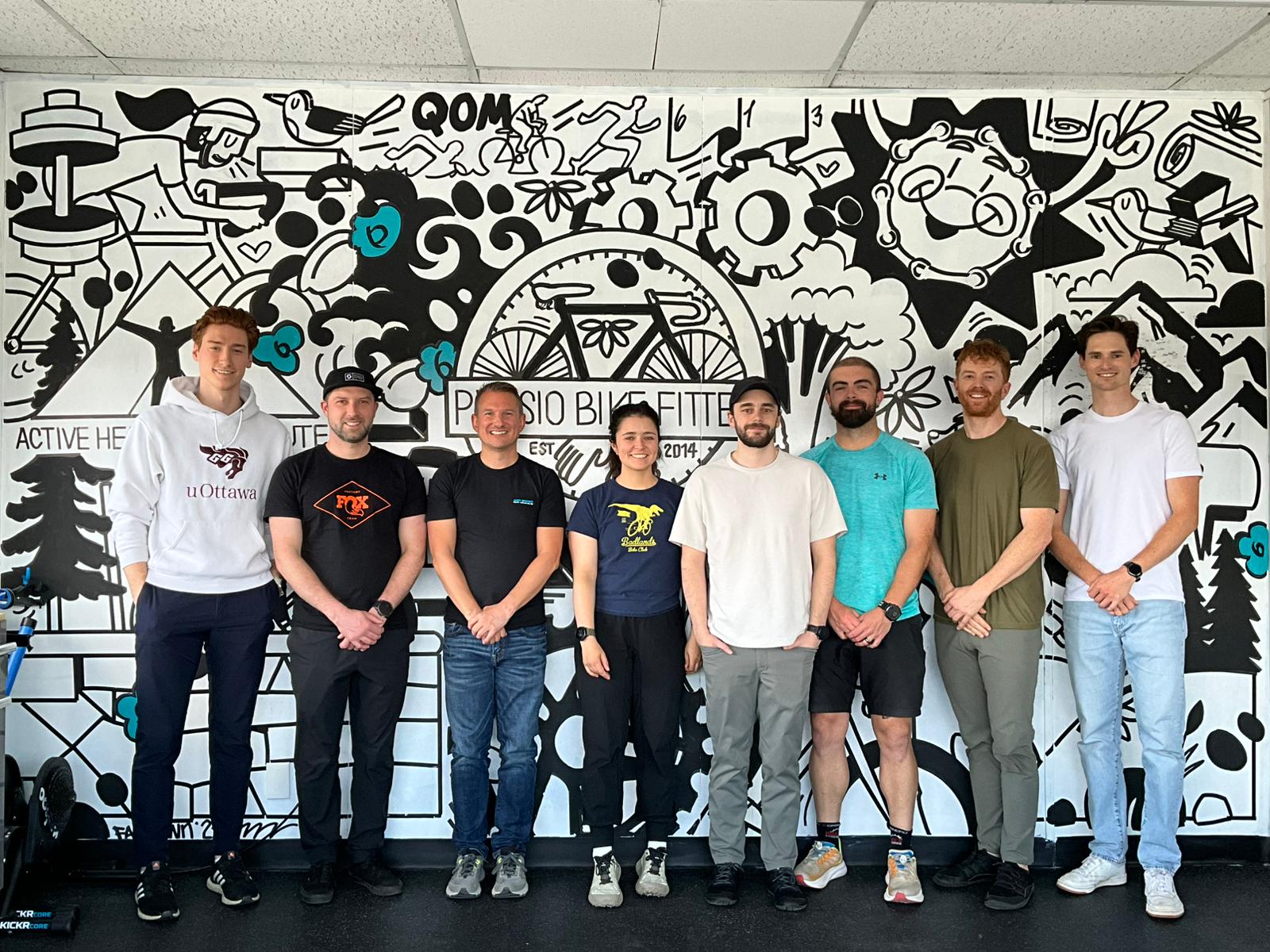
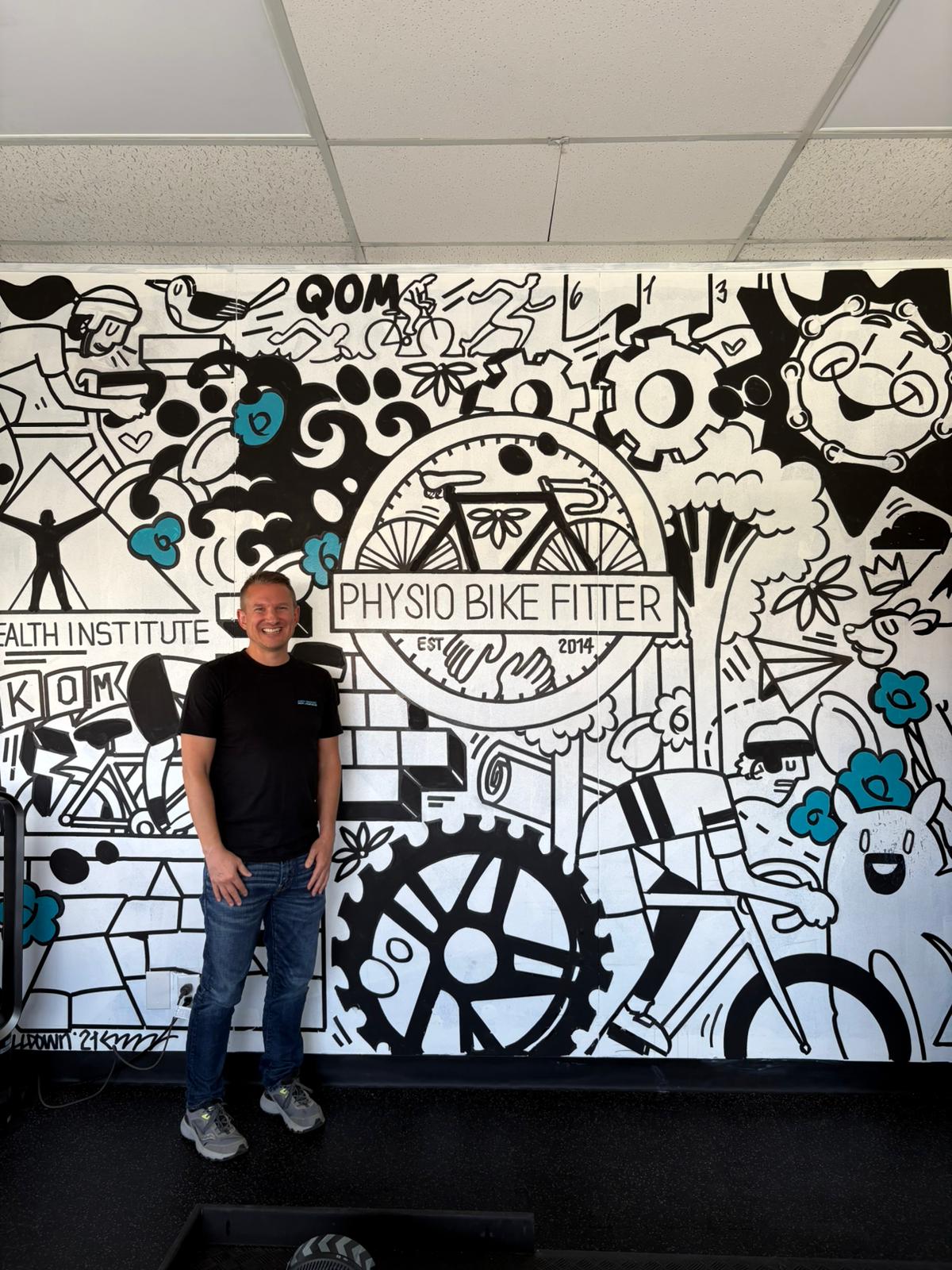
I recently travelled to Ottawa to deliver a three-day bespoke bike fitting education course for the team at Physio Bike Fitter, alongside several physiotherapists and fitters who travelled from other parts of Canada to attend.
Some attendees were already working day-to-day as fitters, while others were physiotherapists beginning to integrate bike fitting more seriously into clinical practice. What made the group great to teach was that nobody arrived looking for shortcuts or rigid formulas. They were all prepared to properly challenge ideas and examine why riders behave the way they do in the first place.
The course itself wasn't built around a standardised curriculum or a sequence of fitting "rules". The focus was much more on interaction, force management and understanding the mechanisms driving rider behaviour under load.
A lot of bike fitting education still leans heavily on outputs: angles, positional ranges, symptom-response relationships and templated interventions. Some of those ideas can absolutely be useful, but problems usually start appearing once the intervention becomes disconnected from the mechanism driving the issue in the first place. That's normally where fitting starts drifting into trial-and-error disguised as certainty.
Moving beyond positional templates
Across the three days, we covered the foot and pedal interface, pelvis-driven fitting concepts, rider stability, force interaction and compensatory behaviour under load, before pulling those ideas together into wider discussions around how riders actually adapt to positional change in the real world.
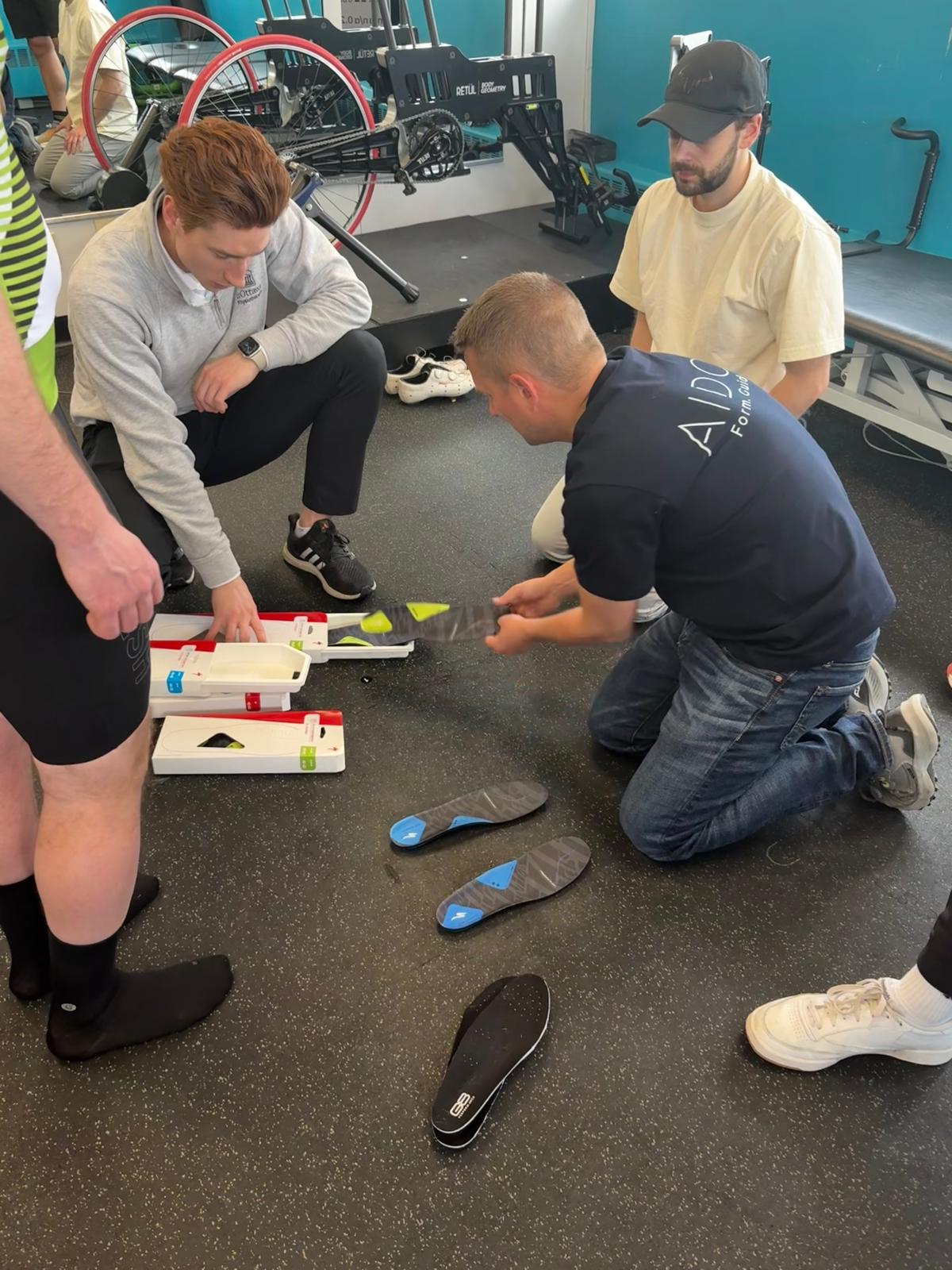
The practical sessions became particularly interesting once those ideas started interacting with each other. Small changes at the foot altering upstream movement strategies. Riders adapting around instability without necessarily recognising they were doing it. Situations where the visible movement wasn't actually the primary issue itself, but a response to something happening elsewhere in the system.
One practical session explored how changes in foot stability influenced pelvic control and upper body support under load, despite very little obvious positional change initially. It was a useful illustration of how far a small intervention at the foot can travel before it shows up where you expect it.
One discussion centred around saddle fore-aft positioning and how adaptable riders can sometimes appear functional across surprisingly large positional ranges. Cases like that are useful reminders that riders don't exist inside neat positional boundaries nearly as often as fitting education sometimes implies.
More importantly, it shifted the discussion away from "where should the saddle be?" and back towards the more useful question: what is the rider actually responding to?
Practical sessions and rider interaction
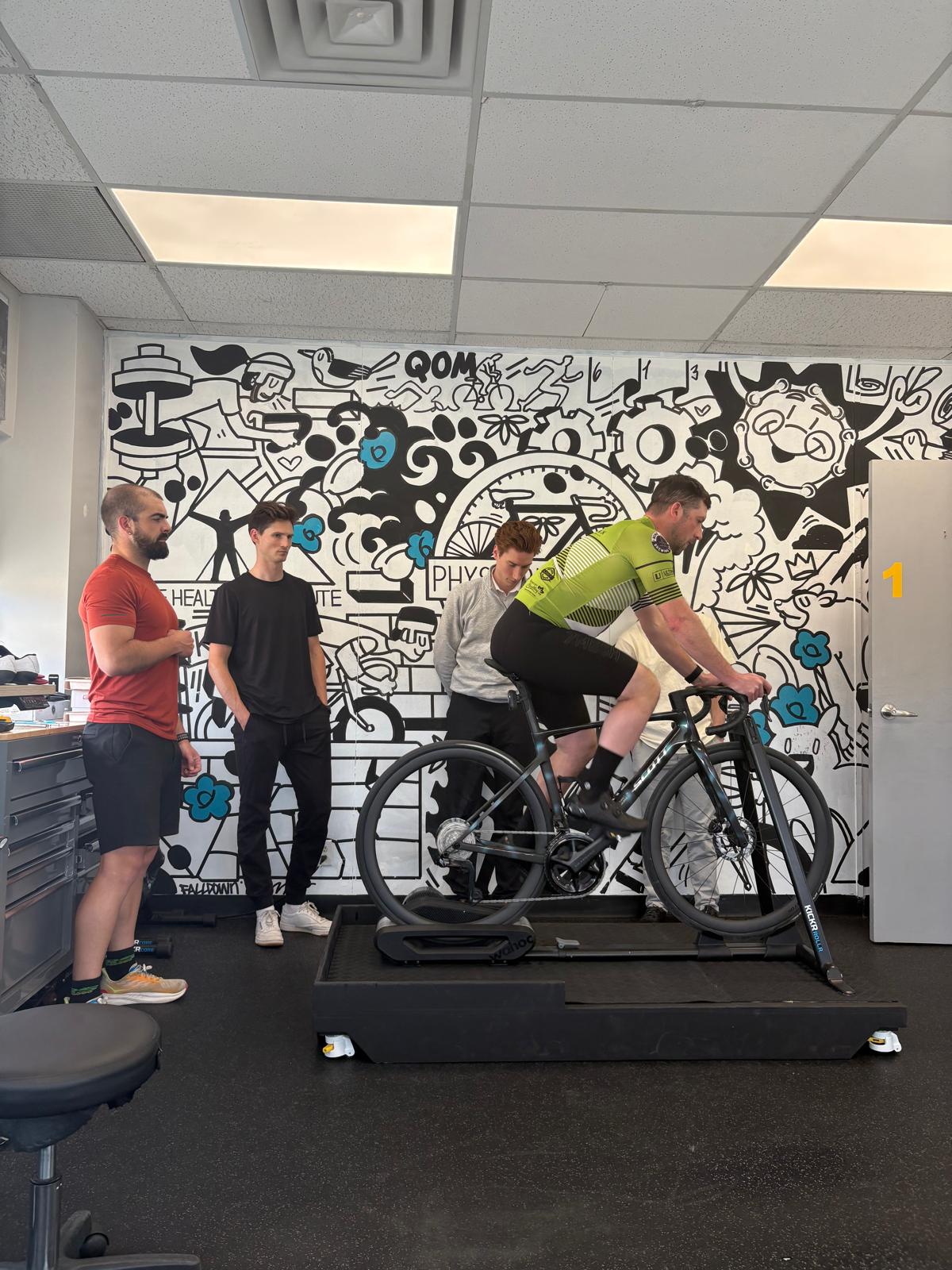
A lot of the discussions across the three days came back to the same broader questions. Why does one rider heavily load the hands while another remains stable? Why do some riders stabilise more through one side of the pelvis than the other? Why can two riders with apparently similar positions on paper behave very differently once load and force interaction are introduced?
A lot of those discussions eventually came back to force management. Every rider position is ultimately a balance between support, stability, force production and the strategies the rider uses to hold everything together under load. Without understanding where those forces are going, it becomes very easy to mistake compensation for optimisation.
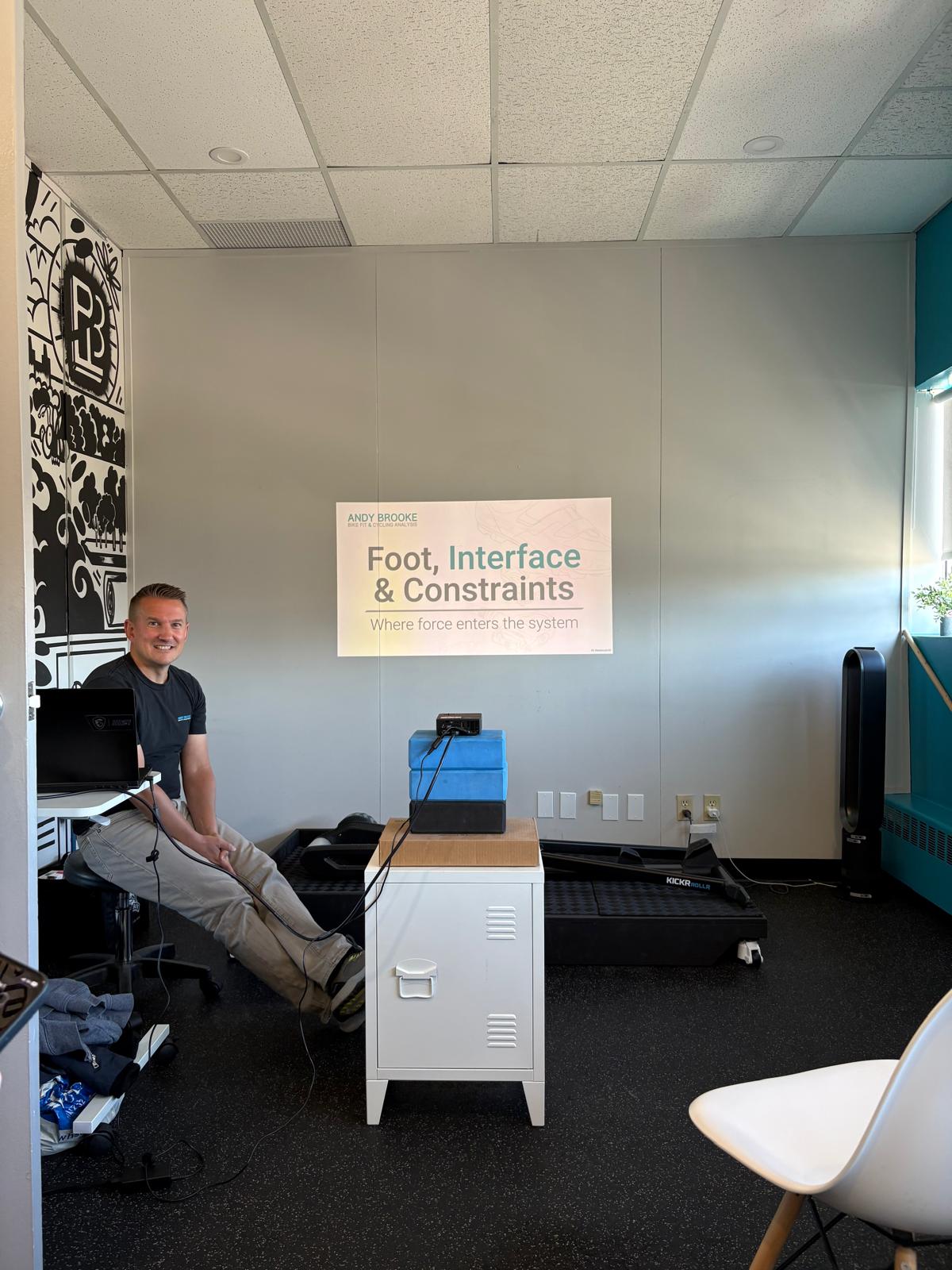
One thing I particularly appreciated throughout the course was the level of engagement from the group. One attendee travelled from Western Canada, including multiple flights and an overnight journey, to take part, which is never something I take lightly as an educator. The discussions were thoughtful, the practical sessions were genuinely collaborative, and there was a willingness in the room to properly test ideas rather than simply collect information.
Ongoing mentorship
Alongside the course itself, all attendees were also given access to a three-month follow-up support period. That includes ongoing WhatsApp discussion and optional monthly one-to-one video calls to review rider cases, fitting decisions and questions that emerge once concepts are being applied day-to-day in real clinical and fitting environments.
The difficult part usually isn't hearing an idea for the first time, it's learning how to apply it consistently under real-world conditions.
I think ongoing mentorship is one of the most overlooked parts of bike fitting education. Most concepts feel clearer in the room than they do a few weeks later when you're standing behind a rider trying to interpret a complex response in real time. The difficult part usually isn't hearing an idea for the first time, it's learning how to apply it consistently under real-world conditions.
Some of the most valuable discussions often happen after the course itself has finished, once people begin testing ideas against real riders, real constraints and their own existing processes.
Running a course for your team
Increasingly, this is the kind of work I'm doing more of with fit studios, multidisciplinary clinics and educators looking to build more bespoke bike fitting education around the specific needs of their staff, riders and working environment.
If you're interested in running something similar for your own team or clinic, feel free to get in touch. Courses can be adapted for different experience levels, team structures and rider populations, with ongoing mentorship available after delivery.
- read more about brands and education work
- understand the approach behind it in The Mechanism Method
- or explore ongoing mentoring for individual fitters